Youth Environmental Camp – Summary (12–16 August 2024, Simonpuszta)
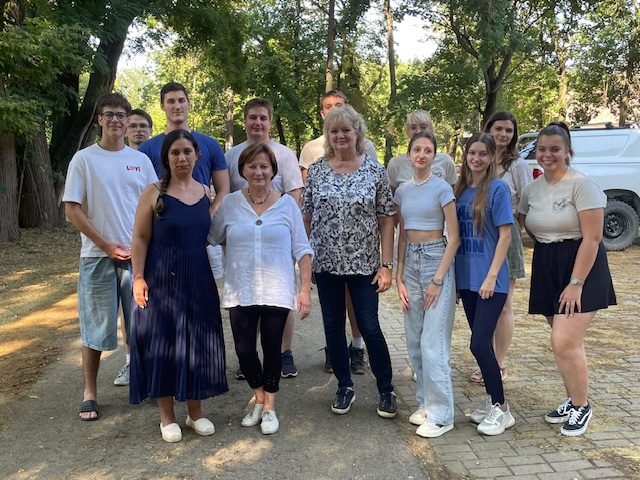
The Youth Environmental Camp, organised by the International Centre for Development and Democratic Transition (ICDT), aimed to strengthen environmental awareness among Hungarian youth. The event was held at the Simonpuszta National Equestrian Culture Centre and brought together more than 50 participants, including secondary school students, university students, and doctoral candidates from Hungary and Hungarian communities beyond the country’s borders.
Main Objectives of the Camp
The camp was designed to:
- Present both theoretical and practical approaches to sustainability and environmental protection.
- Encourage young people to take an active role in local and international environmental initiatives.
- Combine community-building experiences with professional learning through interactive programmes.
Speakers and Programme
The camp featured presentations by several distinguished experts:
- Csaba Kőrösi, Ambassador and representative of the United Nations and the Blue Planet Foundation, who discussed the global importance of the Sustainable Development Goals,
- Katalin Czippán (Ludovika University of Public Service, IUCN), who addressed the role of education in tackling environmental challenges,
- Professor Gyula Bándi (Deputy Commissioner for Fundamental Rights, Ombudsman for Future Generations), who spoke about safeguarding the rights and interests of future generations,
- Dr Barbara Botos, climate diplomat, together with Orsolya Domaniczky, Dr Anna Toldy, and Éva Orsós, who delivered practical and engaging sessions on a wide range of sustainability-related topics.
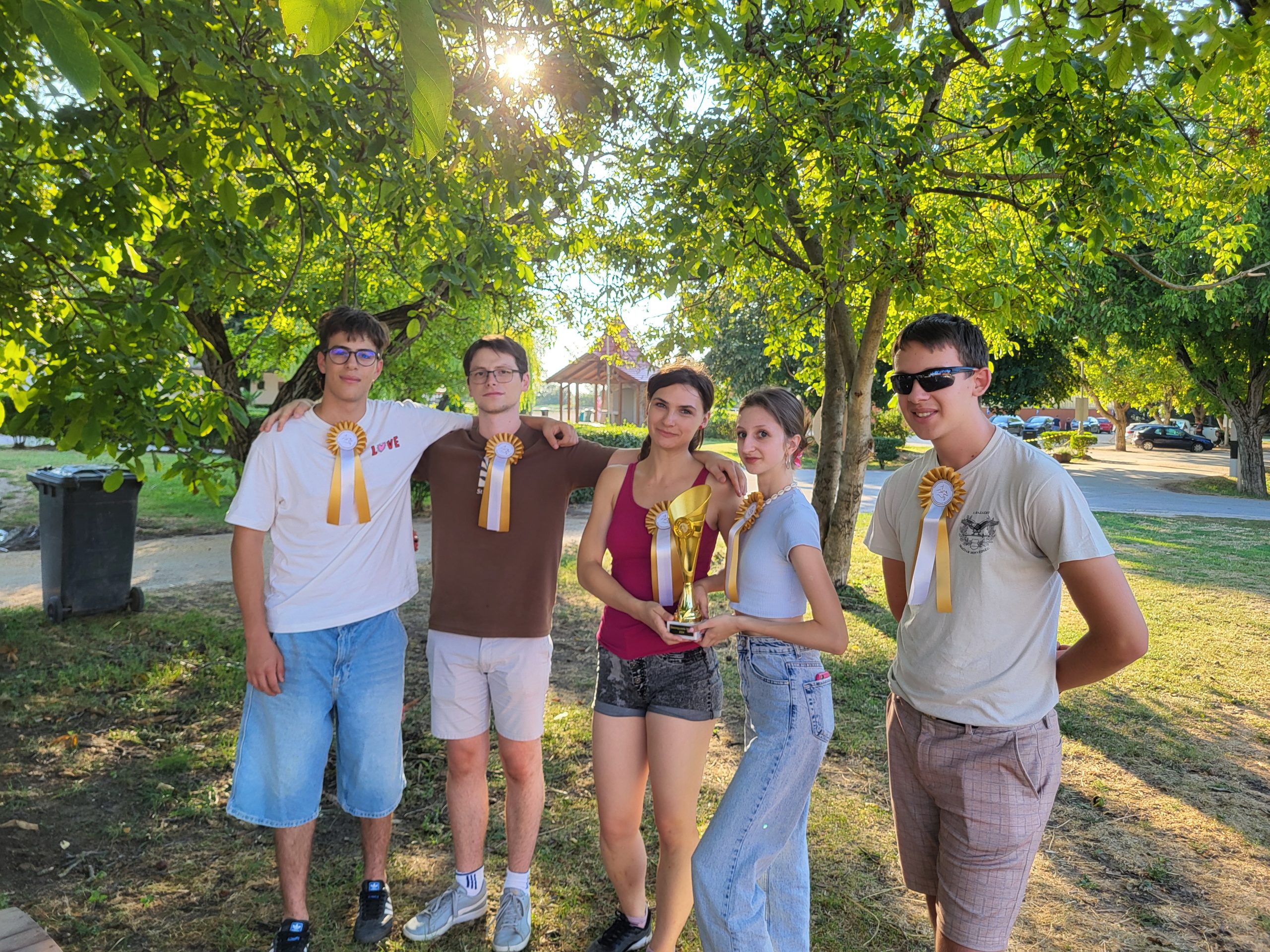
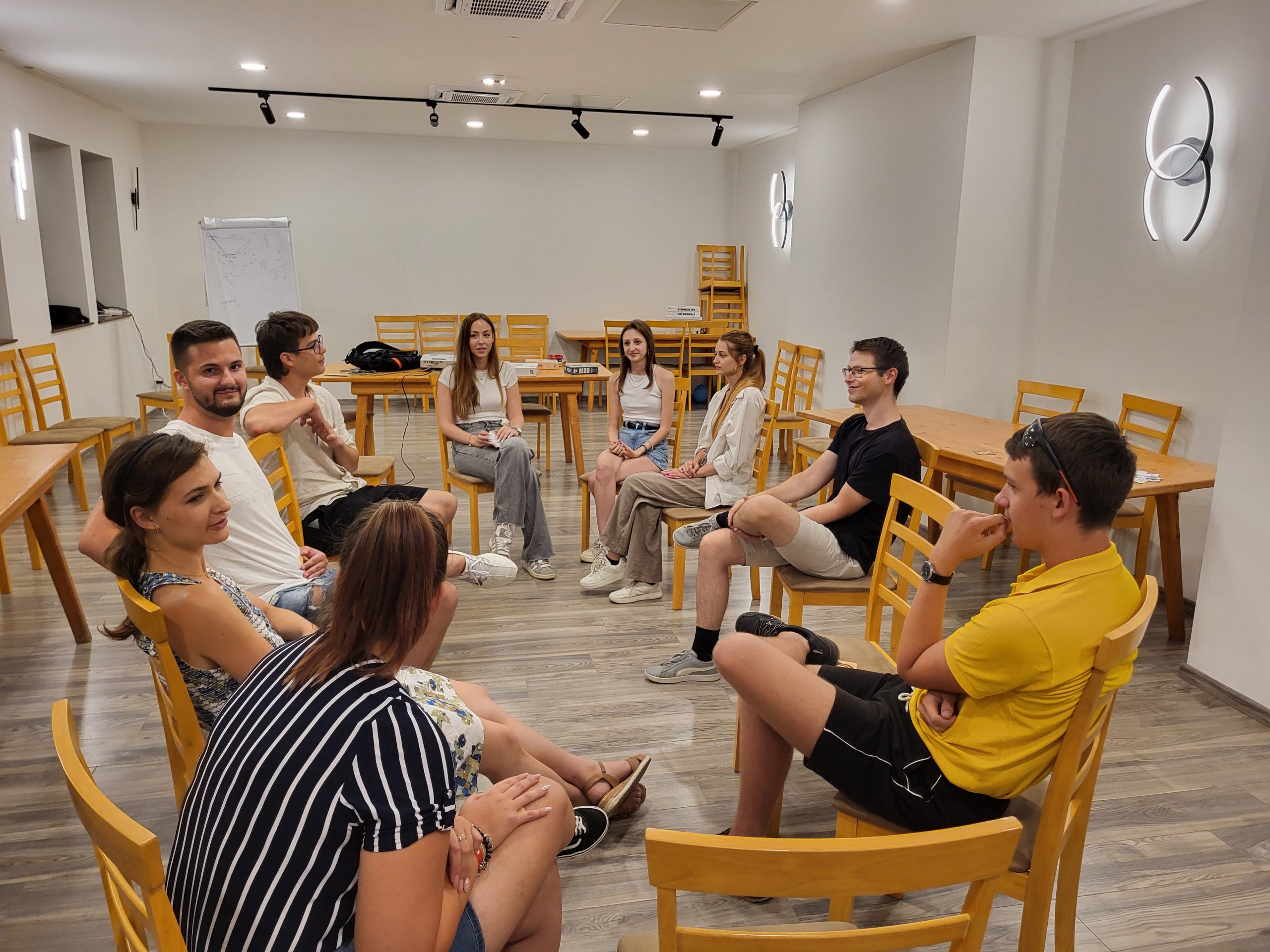
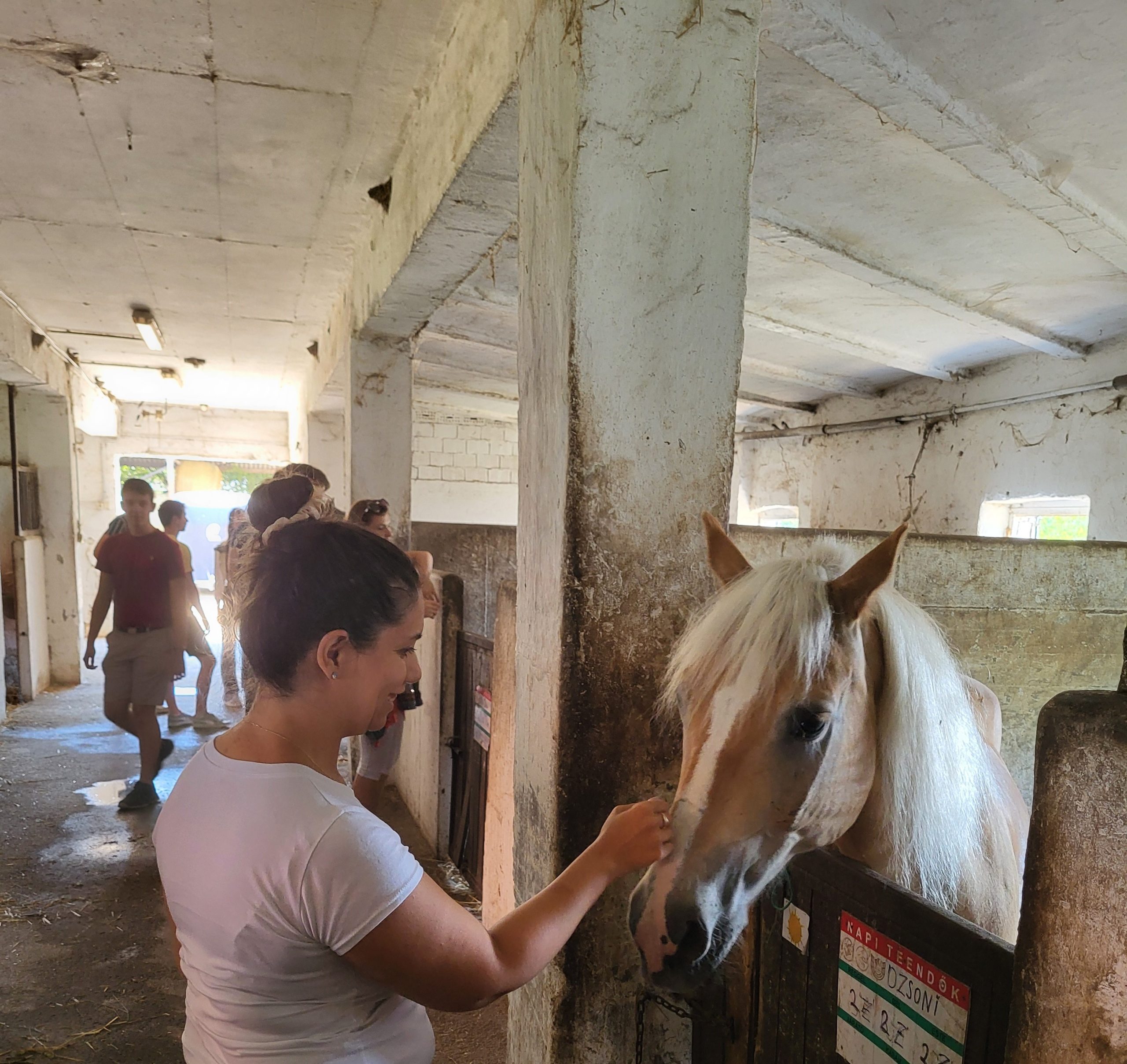
The programme combined expert lectures with interactive activities, including a climate game, the Fishbanks sustainability simulation, wellbeing exercises, horse-drawn carriage rides, stable visits, horse riding, and evening campfire discussions. Each day followed a specific theme, covering topics ranging from climate action to biodiversity and diversity.
Outcomes and Lessons Learned
- Participants, coming from diverse academic backgrounds, gained a deeper understanding of sustainability challenges through interdisciplinary learning and active engagement.
- Community building, the development of professional networks, and shared personal experiences all made a significant contribution to the success of the camp.
- The most frequently suggested improvement for future editions was a more structured timetable combined with longer periods for interaction and discussion.
The long-term objective of the Youth Environmental Camp is to empower participants to become active advocates for environmental sustainability and to apply the knowledge and experience gained during the programme within their own communities.